When a parent or spouse can no longer do what they did yesterday, it becomes another transition for the primary caregiver and for the extended family. These transitions catch us off guard and an overwhelming sense of loss and grief is experienced by the primary care provider. The caregiver often does not label this as Read More
Geriatric Care Managers
Watch the video blog: Geriatric Care Managers We are often asked about the background of our professional staff and I can proudly say they are all Certified as Care Managers, (CMC). This means they have been tested and have passed an exam that says they have the knowledge to guide families with aging issues. In Read More
Healthy at 100 – Tips On How to Maintain Healthy Relationships In All Stages of Life
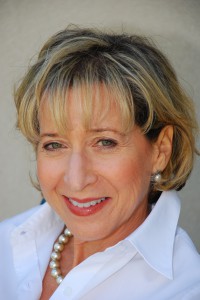
We all want to live life fully for as long as possible. Those who live to be 100 years and beyond—centenarians– are an interesting segment of the population to study since they may provide clues as to how this may be achieved. One of the common character traits of centenarians is the ability to remain Read More
Incontinence and Dementia
Often individuals with dementia are in denial to something as evident as incontinence, deny they have a problem and make excuses for the wetness on their clothing or furniture. This is embarrassing to family members and presents a hygiene issue to the family member with dementia. This could be the sign of a urinary tract Read More
Children and Their Grandparents with Dementia
When a grandchild sees a grandparent losing the capacity to remember and they are less than 10 years of age, it is hard for them to understand what is happening to Grandma or Grandpa. Try to give the individual with dementia the pleasure of relationship with a younger family member – it just might be Read More
Parkinson’s Disease & Caregiving
Many individuals with a diagnosis of Parkinson’s disease do very well without much assistance and live full lives until the disease progresses. Others need help early after diagnosis and as the disease progresses they need 24/7 care, mostly given by family caregivers. There are other conditions that can look like Parkinson’s but are not – Read More
- « Previous Page
- 1
- …
- 5
- 6
- 7
- 8
- 9
- Next Page »